

Cash continues to dominate in smaller towns and rural pockets
Cash continues to dominate transactions in smaller towns and rural pockets, despite the rise of digital payments, due to accessibility, trust, and usage habits.
Cash continues to dominate in smaller towns and rural pockets
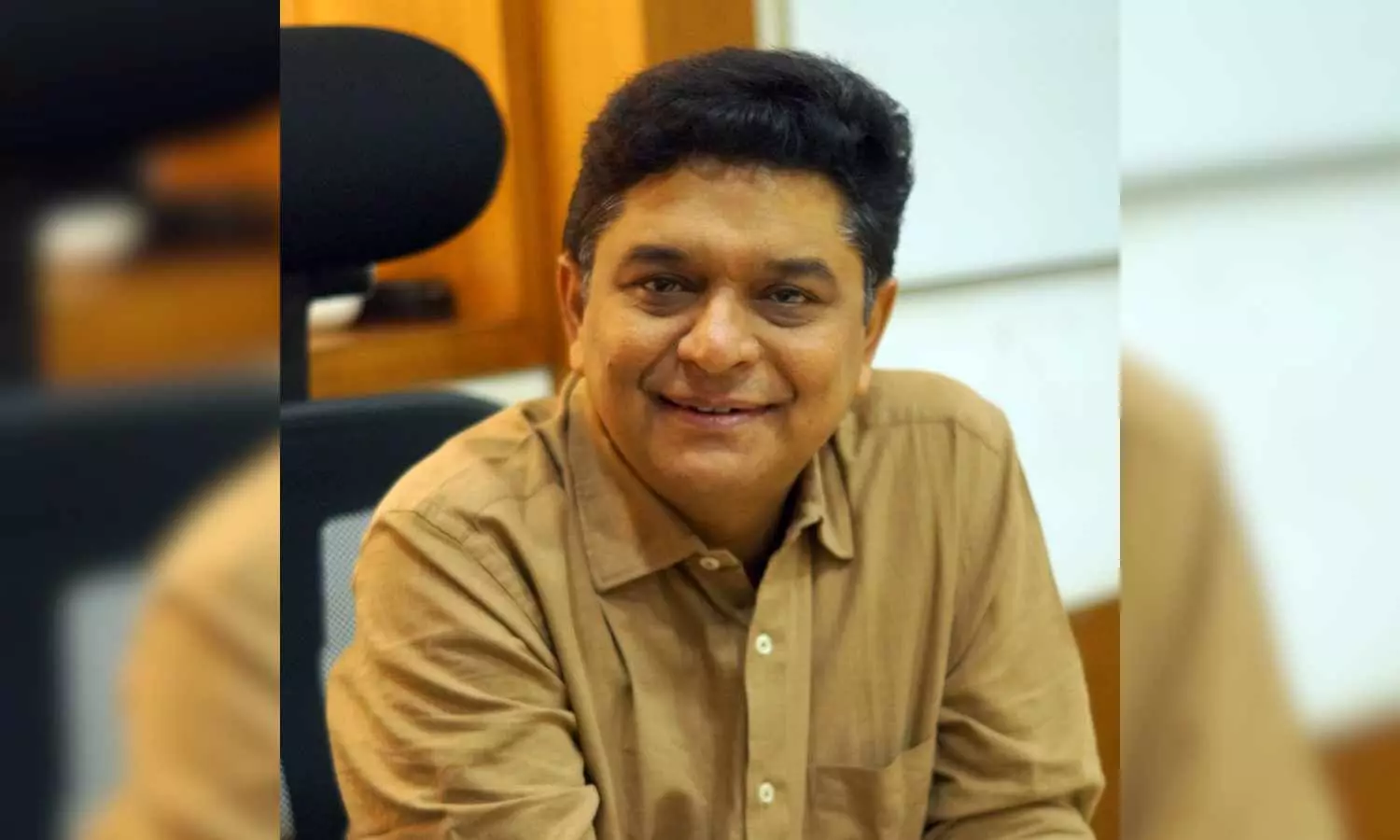
Despite India’s rapid progress in digital payments, “cash continues to dominate in smaller towns and rural pockets,” says Amit Nigam, Executive Director and CEO of FindiBANKIT in an exclusive interaction with Bizz Buzz.
Why do smaller towns in India continue to rely on cash and assisted financial services despite growing digital options?
Despite India’s rapid progress in digital payments, cash continues to dominate in smaller towns and rural pockets. Surveys indicate that over half of rural consumers still depend on cash for daily transactions, while UPI penetration in these regions lingers around 20% a gap shaped by irregular internet connectivity, limited smartphone access, and varying degrees of digital literacy. For many, cash still represents simplicity, speed, and a sense of control. As a result, smaller towns continue to favour assisted financial services because they offer the trust, clarity, and human reassurance that app-based banking has not yet fully replaced. In communities where financial decisions are sensitive, and margins of error are small, a familiar local agent—someone who can guide transactions in the local language and ensure accuracy feels far safer than navigating an app alone. Cash also remains integral to local commerce, where instant liquidity is essential for daily-wage earners, micro-entrepreneurs, and informal workers. Assisted digital services from platforms like FindiBANKIT bridge this divide by blending modern fintech efficiencies with personalised, on-ground support advancing financial inclusion in a manner that is practical, culturally aligned and truly accessible to the heart of Bharat.
What factors play the biggest role in shaping trust and confidence around financial services in these regions? What challenges or barriers do people in semi-urban and rural areas face when adopting digital finance?
Trust in financial services across semi-urban and rural India is shaped by personal interaction, transparency, and community validation. People often rely on local agents or peers to reassure them about safety and reliability. Trust strengthens further when information is delivered in familiar local languages, making it easier for customers to understand and relate.
Key barriers include low digital literacy, fear of fraud, unclear charges, and patchy internet connectivity. Behavioral insights show that confidence grows when services are explained and demonstrated in local languages, whether through assisted UPI transactions or vernacular support.
Another challenge is the perception of digital finance as “urban-centric,” especially when apps or instructions are only in English or Hindi. To build trust, providers must offer consistent handholding, clear grievance redressal, and visible proof of security—all communicated in the customer’s preferred language. When people see neighbors using digital tools successfully, adoption naturally accelerates.
Do you think a blended approach that combines cash and technology suits Bharat’s financial ecosystem better?
A blended approach is not just suitable it’s indispensable for Bharat’s diverse and evolving financial landscape. With nearly half of rural transactions still dependent on cash, expecting an abrupt shift to purely digital payments would be impractical. Instead, a hybrid model enables customers to continue transacting in cash while slowly building comfort with digital touchpoints, whether through SMS confirmations, digital receipts, or assisted digital services.
This “phygital” framework where physical and digital solutions work in harmony effectively bridges trust gaps and ensures that financial inclusion doesn’t leave anyone behind. Aadhaar-enabled Payment Systems (AePS), for instance, allow users to withdraw cash locally while every transaction is digitally recorded on the backend, delivering both convenience and transparency.
Companies like FindiATM are reinforcing this blended ecosystem by expanding white-label ATM networks across Tier 2, Tier 3, and Tier 4 cities, to meet their cash demands. As infrastructure strengthens and digital literacy continues to rise, reliance on cash will naturally taper. Until then, a cash-plus-tech model offers the resilience, accessibility, and trust that Bharat’s semi-urban and rural markets need to grow confidently.
How can financial service providers promote inclusion while gradually encouraging digital adoption?
Promoting inclusion requires meeting customers where they are. Financial service providers must design solutions that are simple, affordable, and culturally aligned. Digital literacy and trust are the biggest adoption drivers. Providers can leverage assisted models, local agents, kiosks, and micro-branches to onboard customers, then gradually introduce self-service digital tools. Regional language support, voice-based interfaces, and step-by-step onboarding reduce barriers. Transparency is equally critical: clear communication on fees, fraud prevention, and grievance redressal builds confidence.
Industry initiatives like Jan Dhan Yojana and Aadhaar-enabled services have already brought 65% of India’s population into formal banking, proving that inclusion is possible when digital adoption is gradual and supported. Providers should also focus on women and elderly populations, who often face higher barriers. By combining financial literacy campaigns with trust-building human touchpoints, the industry can ensure that digital adoption is not forced but embraced, creating a sustainable inclusion model.
What changes are being observed at the grassroots level as more people engage with assisted financial models?
At the grassroots, assisted financial models are driving visible behavioral shifts. Local entrepreneurs acting as banking correspondents have become trusted community figures, enabling deposits, withdrawals, and bill payments through Aadhaar-enabled systems. This has led to greater participation by women and elderly customers, who previously avoided formal banking. Cash transactions are increasingly being supplemented with assisted UPI or mobile wallet payments, signaling a gradual shift toward semi-digital practices. Importantly, financial inclusion is no longer just about access but rather about empowerment now. Approximately 65% of India’s population now benefits from digital linkages, such as Jan Dhan and UPI. Grassroots adoption is also fostering micro-entrepreneurship, as agents earn commissions while educating communities. The result is a virtuous cycle: trust builds confidence, confidence drives usage, and usage expands inclusion. These changes highlight that assisted models are not transitional; they are foundational to India’s inclusive financial journey.
Looking ahead, how do you see trust and personal interaction shaping the future of financial services in smaller towns?
Trust and personal interaction will remain central to financial services in smaller towns, even as digital adoption accelerates. 87% of rural and semi-urban users prefer personal interaction when engaging with fintech services. This preference stems from limited digital familiarity and the reassurance of human guidance. Looking forward, the future lies in “phygital” ecosystems, where technology enhances but does not replace human touch. Assisted models, call centers, and local agents will continue to anchor trust, while digital platforms provide convenience and transparency. As infrastructure improves, digital literacy grows, and fraud-prevention mechanisms strengthen, reliance on personal interaction may be reduced, but it will never disappear.
In fact, trust will be the differentiator between providers who succeed and those who struggle. The industry must therefore design solutions that respect cultural realities, blending empathy with innovation. Smaller towns will adopt digital finance based on trust that is generally built brick by brick.





